

Netanyahu’s Bold Nomination: Peace Prize for a Polarizing Figure
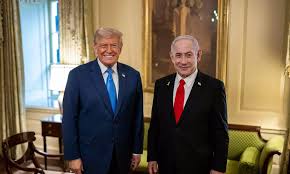
At a formal White House dinner on Monday, Netanyahu handed Trump a letter he claimed was submitted to the Nobel committee, praising Trump’s past and current efforts to resolve conflicts in the Middle East.
“You deserve it,” Netanyahu told Trump.
“Coming from you in particular, this is very meaningful,” Trump replied.
The nomination is not Trump’s first. Pakistan also recently announced its intention to back the former president for the Nobel Peace Prize. The latest endorsement could help Trump bolster his international stature amid a turbulent global climate and a contentious U.S. election cycle.
Ceasefire Talks: Hopeful Optics, Unresolved Realities
Behind the handshakes and photo ops lies a much more complex reality. On Monday, Israeli and Hamas negotiators resumed indirect ceasefire talks in Qatar—the first such discussions in six weeks. Trump declared he was “upbeat” about the prospects of peace and claimed Hamas was “ready to meet and talk.”
However, no concrete framework or timelines for a ceasefire were disclosed.
Key Sticking Points
-
Hamas Demands: A complete end to Israeli military operations in Gaza.
-
Israeli Position: Hamas must be “banished” from Gaza, and Israel must retain long-term security control over the territory.
-
Guarantees: Both sides seek written assurances that the war will not resume under any pretext.
Despite Netanyahu’s public optimism, Palestinian officials described the initial talks as inconclusive. Israeli sources, meanwhile, painted a more positive picture, citing “constructive dialogue” but with “significant hurdles” remaining.
Trump Dodges Gaza Relocation Question, Netanyahu Promotes “Free Choice”
As concerns mount over reports of a possible forced displacement of Palestinians from Gaza into refugee camps built on the ruins of Rafah, Trump deflected questions on the topic and passed them to Netanyahu.
Netanyahu responded by framing any potential relocation as a matter of choice:
“It’s called free choice… If people want to stay, they can stay, but if they want to leave, they should be able to leave.”
“It shouldn’t be a prison,” he added.
Netanyahu hinted that the U.S. and Israel are identifying countries willing to resettle Palestinians in exchange for financial and diplomatic incentives—raising alarms among human rights groups who view such plans as a form of ethnic cleansing.
Iran and Ukraine: Trump’s Balancing Act
On Iran
Trump said he “hoped” the U.S. would not need to strike Iran again, following a brief but intense flare-up in the region.
“They want to work something out,” he said. “They’re very different now than they were two weeks ago.”
He did not offer a timeline for further negotiations with Iran but hinted that additional updates would be revealed soon.
On Ukraine
In an unexpected pivot, Trump said he would resume military aid to Ukraine—despite previous cutbacks under his administration.
“They’re getting hit very hard. We’re going to have to send more weapons,” Trump said.
“I’m not happy with President Putin at all,” he added, signaling a more hawkish stance than in previous months.
This marks a departure from earlier ambiguity on Ukraine, possibly aimed at reassuring NATO allies and U.S. defense hawks ahead of upcoming budget negotiations.
Two-State Solution? Trump Defers, Netanyahu Rejects Full Autonomy
When asked whether Trump supported a two-state solution to resolve the Israeli-Palestinian conflict, he deferred again to Netanyahu.
Netanyahu restated Israel’s long-standing position:
“The Palestinians should have all the powers to govern themselves, but none of the powers to threaten us.”
“Certain powers like overall security will always remain in our hands.”
This effectively rules out full sovereignty for a future Palestinian state—casting further doubt on a comprehensive peace roadmap.
Still, Netanyahu voiced optimism:
“With President Trump’s leadership… we can establish a very, very broad peace that will include all our neighbors.”
Strategic Implications for CEOs, Investors, and Diplomats
Why This Meeting Matters
-
Stabilization of Mideast Supply Chains: A ceasefire in Gaza could ease pressure on shipping, energy, and construction operations across the Middle East.
-
Geopolitical Risk Management: Trump’s more assertive posture on Iran and Russia may shift expectations for U.S. foreign engagement, defense contracting, and energy policy.
-
Humanitarian and ESG Concerns: Multinationals with exposure in the region may face rising scrutiny regarding partnerships tied to Israeli or Palestinian territories.
What Business Leaders Should Monitor
-
Ceasefire Implementation Timeline
-
Nobel Nomination Fallout: May embolden Trump’s global positioning, impacting trade and defense policy.
-
Potential U.S.-Iran Talks: Implications for oil prices, arms sales, and regional stability.
-
Shifts in Ukraine Policy: Could signal broader re-engagement with European allies and defense manufacturers.
Symbolism vs Substance
While Netanyahu’s Nobel nomination of Trump made headlines, the true test lies in whether meaningful progress is achieved in Gaza. Ceasefire momentum exists—but fragile, conditional, and susceptible to collapse under political pressure.
If successful, Trump could reclaim his image as a dealmaker on the world stage. If not, the optics of awards and accolades may only deepen international cynicism about U.S. leadership in conflict resolution.
For now, all eyes remain on the next round of negotiations—and on Trump’s evolving role in shaping the post-war landscape of the Middle East.