
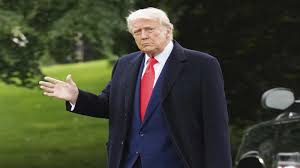
The Return of Trump—And the Optics of a Royal Welcome
In a move that is already stirring global headlines, Donald Trump is set to receive a full state visit to the United Kingdom later this year, Buckingham Palace has confirmed. This marks an unprecedented second state visit for a U.S. president, breaking with long-standing diplomatic tradition—and raising questions about strategy, symbolism, and global power dynamics.
While plans for a private summer retreat meeting with King Charles III have been scrapped due to scheduling issues, formal preparations for the “bells and whistles” event are underway.
This is not just another photo-op. It’s a geopolitical signal that reflects the evolving priorities of Prime Minister Keir Starmer’s government, the royal household’s role in diplomacy, and the UK’s calculation of Trump’s global influence as the 2024 U.S. election cycle continues to reshape transatlantic relationships.
What We Know: Key Visit Details
State Visit Confirmed
-
Timing: Most likely in September 2025, post-summer recess
-
Host: King Charles III, despite earlier private meeting plans being abandoned
-
Location: Traditional ceremonial venues likely include Buckingham Palace, Windsor Castle, and a formal banquet
Cancelled: Informal Balmoral Meeting
Initially proposed by the King via a personal letter delivered to Trump earlier this year, the idea of a relaxed summer meeting at Balmoral or Dumfries House was floated—but ultimately dropped due to “diary complexities” on both sides.
Behind the Curtain: Politics vs. Protocol
1. A Diplomatic First
Trump’s second state visit breaks royal and diplomatic precedent. Typically, second-term U.S. presidents receive a lower-key engagement—such as tea or lunch with the monarch. Former presidents George W. Bush and Barack Obama followed this protocol.
Trump, however, will receive full ceremonial honors—again.
“His Majesty has known President Trump for many years and looks forward to hosting him,” said a Buckingham Palace spokesperson, carefully maintaining neutrality.
2. Starmer’s Strategic Gamble
According to The Times, Prime Minister Keir Starmer overruled the monarch’s preference for a slower approach. Instead, Starmer accelerated plans for a grander visit—allegedly to capitalize on Trump’s admiration for royal pageantry and build rapport at a politically volatile moment.
Critics suggest Starmer’s move was intended to strengthen the UK’s position with Trump in case he returns to the White House, while others view it as a controversial overreach into the Palace’s careful diplomatic balancing act.
Optics and Fallout: What the Business World Should Watch
1. Brand UK: A Royal Red Carpet or Diplomatic Risk?
This visit puts Brand Britain on display—but not without risk. Protests during Trump’s 2019 state visit were vast and vocal. Organizers have already promised “even bigger” demonstrations in 2025. The reappearance of the now-iconic Trump Baby Blimp is all but guaranteed.
While some business leaders may welcome the visibility and prestige of a state visit, others may worry about reputational fallout and operational disruption, particularly for companies with U.S. political exposure or activist employee bases.
2. Security and Logistics
Expect tight security protocols, particularly in London. CEOs with London headquarters or regional operations should prepare for protest-related interruptions, traffic issues, and potentially heightened political tensions that could spill into shareholder or media engagement.
3. Geopolitical Implications
Trump’s outspoken positions on NATO, trade tariffs, and foreign alliances—especially his recent controversial comments about annexing Canada—have stirred global anxieties. A red-carpet reception may be seen by some as tacit approval of his foreign policy agenda.
Businesses operating across North America and Europe should carefully monitor diplomatic messaging emerging from this visit, as policy realignments or statements made during state events can trigger market shifts and policy speculation.
Monarch Diplomacy in the Modern Age
This episode raises broader questions about the role of monarchies in global diplomacy. King Charles, while constitutionally neutral, is still seen as a moral compass by many across the Commonwealth and Europe. His reported discomfort with the visit’s timing shows how constitutional monarchy diplomacy operates in tension with modern political expediency.
Nonetheless, the Palace’s tone remains measured and professional. Officials have emphasized that logistical constraints—Charles’s summer trip to Scotland and Trump’s upcoming visit to his Aberdeenshire golf course—made the informal meeting impractical.
What Comes Next
-
Dates for the official visit will be announced in the coming weeks.
-
The UK government will coordinate security and ceremonial planning alongside the Palace and U.S. Secret Service.
-
Trump is expected to use the visit to tour his new golf course in Aberdeenshire, potentially combining personal business interests with public diplomacy.
Beyond the Red Carpet
This isn’t just about tradition or ceremony—it’s about positioning in a post-Brexit, pre-election, multipolar world. With global institutions under strain and domestic politics in flux on both sides of the Atlantic, the symbolic weight of this state visit could ripple well beyond London or Washington.
For CEOs, investors, and global strategists, Trump’s second UK state visit is a moment to:
-
Reassess geopolitical risk scenarios
-
Prepare for public response and protest-driven instability
-
Monitor the evolving relationship between political spectacle and diplomatic substance