
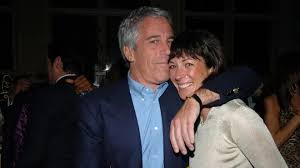
Could Epstein’s 2007 Plea Deal Shield Her from Justice?
Convicted sex trafficker Ghislaine Maxwell, long known as Jeffrey Epstein’s key associate, is taking her legal battle to the highest court in the United States. On Monday, Maxwell’s legal team filed a petition with the U.S. Supreme Court, asking it to overturn her 20-year sentence. At the heart of her argument: a controversial 2007 plea deal that she claims should have granted her immunity.
As speculation swirls around whether Maxwell could eventually cooperate with the U.S. government—and potentially name names in Epstein’s elite network—her appeal has reignited debates about justice, immunity deals, and the enduring shadows of Epstein’s crimes.
Epstein’s 2007 Plea Deal: A Legal Time Bomb
Why Maxwell Believes She’s Covered by the Agreement
In 2007, Jeffrey Epstein reached a plea agreement with federal prosecutors in Florida that has since become infamous. In exchange for pleading guilty to lesser state charges, the deal promised federal prosecutors would not pursue charges against certain “potential co-conspirators.”
Although Maxwell was not one of the four co-conspirators named in that agreement, her attorneys argue that the language—“including but not limited to”—means she didn’t need to be specifically listed to receive its protections.
Her Supreme Court filing asserts that the plea agreement should have prevented her 2022 prosecution in the Southern District of New York (SDNY), where she was convicted of trafficking minors for Epstein’s abuse network.
“This prosecution violates the integrity of the original plea agreement,” Maxwell’s legal brief argues, citing due process concerns and alleging prosecutorial overreach across jurisdictions.
Legal Grey Zone: Does One District’s Plea Deal Apply Nationwide?
The Justice Department Says No
The U.S. Justice Department doesn’t see it that way. Prosecutors maintain that the Florida-based plea deal applied only within that jurisdiction and does not bind other federal offices such as the SDNY.
This jurisdictional dispute is at the core of Maxwell’s Supreme Court appeal. Legal analysts suggest her case could have broader implications for how plea deals are interpreted across federal districts—a question that could impact many ongoing and future federal investigations.
Former U.S. Attorney Preet Bharara told CNN:
“This isn’t just about Maxwell. If the Supreme Court accepts the premise that a plea deal in one district shields people from prosecution elsewhere, it could radically limit the DOJ’s leverage in multi-state cases.”
Maxwell and the Government: Is a Deal in the Works?
Cooperation Could Reshape the Epstein Narrative
Adding another layer of intrigue: Maxwell recently met with Justice Department officials. While details are scarce, some insiders suggest she may be exploring cooperation in exchange for sentence reduction—or protection from further legal jeopardy.
So far, there’s no official confirmation that Maxwell is prepared to turn informant. However, the timing of her Supreme Court petition—so close to her DOJ meeting—has led to speculation that she may be using legal leverage to negotiate behind the scenes.
Observers say if Maxwell were to cooperate, she could expose not only more details of Epstein’s operation but also potentially name powerful individuals previously protected by secrecy.
DOJ Faces Pressure Over Lack of Prosecutions
“No Client List” Claim Sparks Outrage
Earlier this month, the DOJ released a controversial memo stating there was insufficient evidence to charge any “third parties” connected to Epstein’s crimes. The memo also claimed there was “no incriminating client list”—a claim met with widespread skepticism and frustration.
Critics, including members of Congress and survivor advocacy groups, argue that the public deserves transparency and accountability, especially given the number of high-profile figures linked to Epstein through flight logs, photos, and personal interactions.
“We’re not just talking about sex crimes here,” said attorney Lisa Bloom, who represents several Epstein victims. “We’re talking about systemic coverups involving people with wealth and power.”
Trump Reenters the Epstein Spotlight
Defamation, Murdoch, and DOJ Mentions Stir New Controversy
Former President Donald Trump, whose past ties to Epstein are well-documented, is once again being pulled into the case’s orbit. Earlier this month, The Wall Street Journal reported that Trump wrote a “bawdy” birthday message to Epstein in 2003. Trump immediately filed a $10 billion defamation lawsuit against the Journal and its owner, Rupert Murdoch.
In a federal court filing this week, Trump’s legal team claimed that Murdoch had assured the former president the article was false and that he would “take care of it.” A federal judge has now ordered Murdoch to respond to the allegations by August 4.
Simultaneously, the Journal revealed that Trump’s name appeared multiple times in Epstein-related documents reviewed by the DOJ. While there’s no confirmation of wrongdoing, the repeated references have reignited public interest in Trump’s past social ties to Epstein.
Alexander Acosta’s Legacy Resurfaces
The Architect of the 2007 Deal Faces Renewed Scrutiny
Alexander Acosta, the U.S. attorney who signed Epstein’s original plea deal, resigned as Trump’s Secretary of Labor in 2019 under intense pressure following Epstein’s re-arrest. His handling of the original agreement remains a flashpoint in discussions about prosecutorial accountability.
Legal experts say Acosta’s deal has created a “legal landmine” for the DOJ, one that may allow figures like Maxwell to exploit procedural ambiguities in their favor.
What Happens Next?
Supreme Court Could Reshape Epstein Case History
The U.S. Supreme Court is not obligated to take Maxwell’s case, and such appeals are rarely granted. However, the unique legal questions surrounding jurisdiction, plea deal scope, and due process could make the case more attractive to justices.
If the Supreme Court does agree to hear it, Maxwell’s case could potentially set new precedents on how federal plea deals are interpreted across jurisdictions—while also reigniting national debate over Epstein’s still-unresolved legacy.
In the meantime, questions remain:
-
Will Maxwell flip to save herself?
-
Will the DOJ finally bring more charges?
-
And how deep does the Epstein web truly go?
The next few weeks could bring answers. Or more silence.