

Royal Optics, Diplomatic Tightropes
Trump becomes first modern politician to get two UK state visits—without setting foot in Parliament
A Historic Invitation—With a Careful Caveat
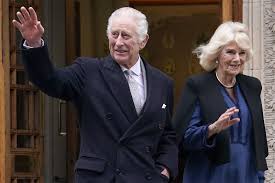
In a bold and diplomatically calculated move, King Charles has extended a second state visit invitation to Donald Trump for September 17–19, making the former and possibly future U.S. president the first elected politician in modern times to receive two such visits.
However, the visit—though rich in royal pageantry—comes with one critical omission: no address to the UK Parliament.
Scheduled during the House of Commons’ recess for party conferences, the visit ensures Trump avoids the controversy and parliamentary scrutiny that a formal address might have triggered. For the Royal Household and Downing Street, this is a high-wire act: showcasing a close UK-US alliance while tactfully managing deep political divisions on both sides of the Atlantic.
Why the Dates Matter: A Diplomatic Shield
Recess timing removes chance for Commons controversy
The carefully selected September dates mean Trump’s visit will take place while MPs are on break—a deliberate decision to avoid contentious scenes in Westminster.
Unlike predecessors such as Bill Clinton, Barack Obama, and Emmanuel Macron—who all delivered speeches to Parliament—Trump will not receive that same honor. The reason? Likely backlash.
Just last week, 20 MPs—including 15 from Labour—signed a formal motion urging Commons Speaker Lindsay Hoyle to deny Trump the platform. Their objections cited his history of “misogyny, racism, xenophobia”, and controversial stances on women’s rights, refugees, torture, and Ukraine.
With the recess schedule now conveniently shielding the president from a potential snub, the royal family and UK government avoid a political minefield while preserving the ceremonial impact of a state visit.
Windsor Castle: Stage for a Carefully Controlled Optic
Royal pageantry replaces political tension
The White House confirmed Trump and former First Lady Melania Trump will stay at Windsor Castle as guests of King Charles during the three-day trip. While the palace has not released further details, the itinerary is expected to include:
-
A formal state banquet
-
Military honor guards and processions
-
A possible tour of royal facilities or environmental programs championed by Charles
The castle, a royal residence with fewer public distractions than Buckingham Palace or Westminster, provides a controlled environment for optics management, allowing the monarchy to lean into its apolitical role.
Trump, a known fan of the royals, previously praised the king on his Truth Social platform, saying:
“I Love King Charles.”
Political Optics on Both Sides
Trump’s team gets a diplomatic trophy, Starmer eyes steel concessions
From the U.S. perspective, this visit is a foreign policy win for Trump’s re-election optics, reinforcing his image as a global statesman. Despite turbulent past visits, this return—with the blessing of King Charles and a relatively neutral UK government—marks a significant soft power achievement.
For Prime Minister Keir Starmer, it’s a delicate but necessary alliance. Since taking office, Starmer has cultivated a productive working relationship with Trump, already securing tariff reductions on UK auto and aerospace exports.
Now, British steel and aluminium exports remain in the crosshairs, still facing tariffs under the Trump administration’s universal 10% policy. Sources close to Downing Street confirm Starmer will use the visit to push for exemptions, arguing that UK supply chains meet U.S. national security criteria.
Peter Mandelson, the UK’s ambassador to Washington, echoed the balancing act in an interview with The Sunday Times:
“He [Trump] should expect a warm reception… My lodestar here is to demonstrate respect, not sycophancy.”
A History of Controversy—And More Ahead?
Protests, protocol breaches, and political tension
Trump’s previous UK visits were anything but uneventful:
-
In 2019, tens of thousands of protesters flooded London, prompting Trump to lash out online at London Mayor Sadiq Khan, calling him a “stone cold loser.”
-
He drew criticism for walking in front of Queen Elizabeth II, a widely viewed breach of royal protocol.
Though Parliament will be closed and the visit limited to royal grounds, opposition groups may still mobilize, especially around Windsor or London hotels hosting U.S. staff.
The Real Message Behind the Visit
UK sends a global signal: “The alliance survives the politics”
This visit is not just about optics—it’s a geopolitical signal.
With NATO under strain, EU-US trade negotiations on edge, and escalating global conflicts from Ukraine to the Indo-Pacific, London is reaffirming the strength of the UK-US alliance—regardless of who’s in power.
Even critics within Labour circles recognize that access to the U.S. market and security umbrella require pragmatic engagement. Avoiding a parliamentary speech while rolling out the royal carpet reflects this nuanced calculus.
The Pageantry Without the Politics
By scheduling Trump’s visit during Parliament’s recess, King Charles and Prime Minister Starmer have orchestrated a delicate diplomatic maneuver: extending full state honors while side-stepping the political firestorm a Commons address would provoke.
Whether the visit will strengthen trade ties, ease tariff burdens, or simply provide a brief reprieve from domestic challenges remains to be seen. But one thing is clear—this is a high-stakes diplomatic balancing act, with the royal family once again at the heart of Britain’s foreign relations strategy.